The New Wave of Agentic AI:
Main Challenges and Research Directions
(last built on: 2026-05-30)
Postdoctoral Researcher
Department of Computer Science
University of Luxembourg
ZLAIRE Workshop
30th May 2026, Zhejiang University, Hangzhou
Link to these slides
Outline
This talk is about my personal perspective on the current state and future directions of agentic AI research.
In particular, it is focused on Embodied Agents and how should we design them from an ethical point of view.
These slides are partially inspired by the many talks I had with the groups in these days on this topic, and also, by the staying in Hangzhou.
Slides are structured as follows:
Agents Are Not New
Agents predate modern agentic AI by decades
The Agents Journey – Twenty-Five Years of Multi-agent Systems (2026)
Historical roots
- Distributed Systems
- Artificial Intelligence
- Multi-Agent Systems
- Robotics
- Control Systems
Long-standing research themes
- Autonomy
- Planning
- Coordination
- (Self) Organization
- Simulation
Today we are witnessing
New paradigms/technologies
- Neuro-Symbolic AI
- Large Language Models
- Agentic AI frameworks
- Swarm intelligence/robotics
Hot topics
- Agentic Automation
- Normative AI
- AI safety and trustworthiness
- AI governance and regulation
Trends
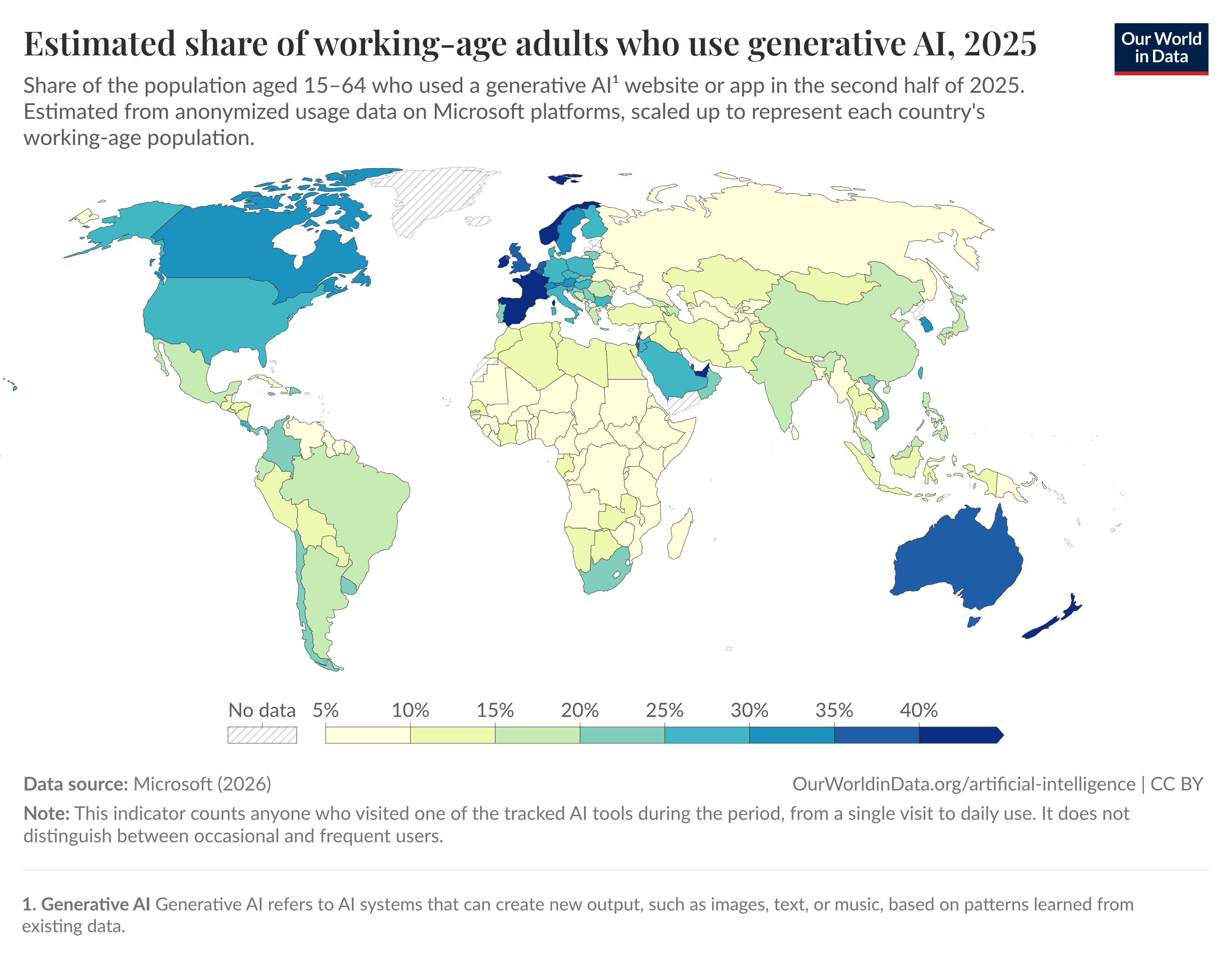
Pervasive AI
- AI is everywhere
- Everyone is using LLMs
Embodied Agents
- Not just chatbots or digital agents
- Physical robots, drones, vehicles
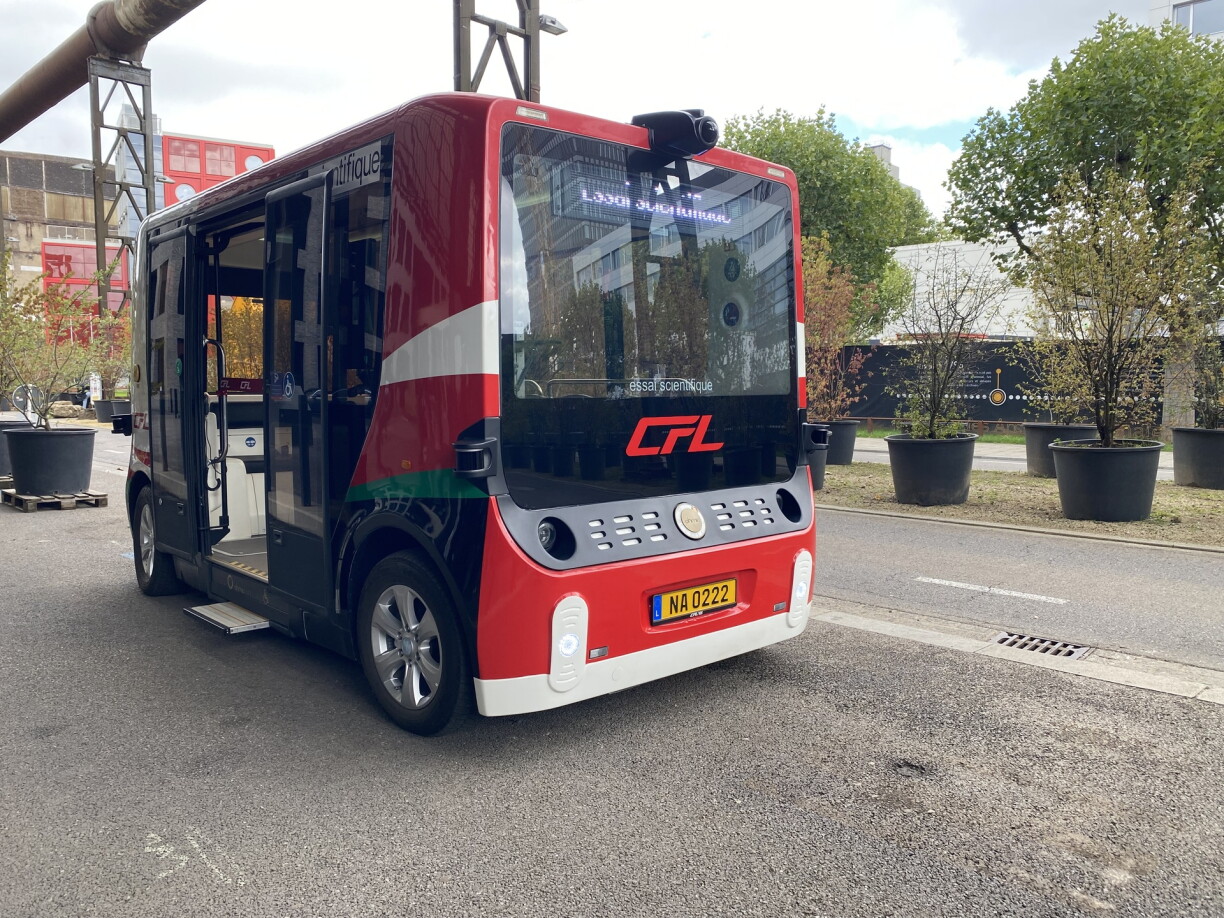
Anticipating the future
It is just a matter of time before we see a considerable number of embodied agents in public places.
Also, the nature of these embodied agents will be heterogeneous, with different capabilities and tasks.
Their presence in the society will raise many challenges, including ethical, legal, social, and technical ones.
Need for building embodied agents with ethics as a core design principle.
Defensible Embodied Agents
Defensible
Defensible refers to the ability of a decision, action, or system to be justified, challenged, audited, and publicly explained through sufficient evidence and reasoning. A defensible system is not merely effective or safe: it must also support accountability, contestability, and governance.
Embodied
Embodied means that something or someone has a physical form in the real world, as opposed to being purely digital or virtual. Embodied agents can interact with their environment, other agents and humans in a tangible way.
Agents
Agent comes from “agere”, i.e., to act. An agent is an entity that can perceive its environment, make decisions, and take actions to achieve specific goals or objectives. It is autonomous, (possibly) self-sufficient, proactive, and (possibly) adaptive.
Why defensible?
Modern embodied agents will increasingly operate in shared human environments:
- Schools
- Hospitals
- Public transportation
- Homes
- Workplaces
In these contexts, pure optimization is not enough.
An agent should not only ask:
- “What can I do?”
but also:
- “What should I do?”
- “What am I allowed to do?”
- “How should I behave with humans?”
This requires explicit representations of:
- Permissions
- Obligations
- Prohibitions
- Preferences
- Social conventions
- Ethical principles
From rule-following to defensibility
A defensible agent is not simply:
- compliant
- accurate
- safe
It must also be able to:
- justify its decisions
- expose the reasoning process
- support contestability
- provide explanations understandable by humans
DJ4ME
A DJ for Machine Ethics: the Dialogue Jiminy
Different stakeholders may have:
- different objectives
- different values
- different expectations
Examples:
- final users
- providers
- institutions/regulators
- domain experts
Conflict resolution
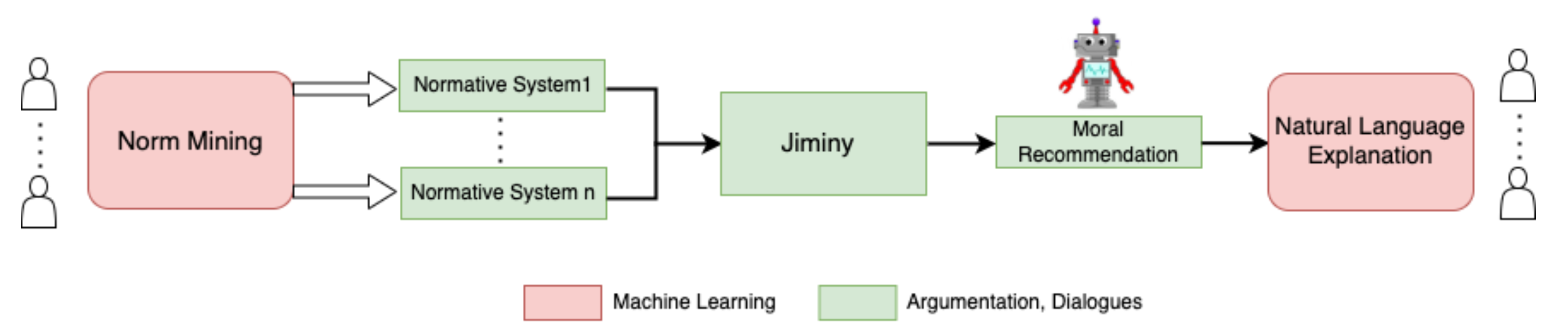
Using the Jiminy framework (The Jiminy Advisor: Moral Agreements Among Stakeholders Based on Norms and Argumentation).
Each stakeholder is modeled as a normative system:
- obligations
- permissions
- prohibitions
- contextual preferences
These normative systems are then used as sources of arguments.
Instead of relying on majority voting or fixed priorities, Jiminy tries to reach a moral agreement among stakeholders.
The framework resolves dilemmas through:
- interactions between arguments
- attacks and defenses
- argument acceptability semantics
Explainability
Resolving conflicts is not enough
The system must also explain:
- why a decision was taken
- which norms were considered
- which arguments prevailed
- why alternative actions were rejected
Argumentation naturally supports explainability, because decisions emerge from explicit reasoning structures.
Therefore, DJ4ME includes an additional agent dedicated to making decisions:
- auditable
- inspectable
- contestable
- publicly explainable
AI4Kids
Safe child-facing embodied AI
Children are increasingly exposed to:
- conversational AI
- tutoring systems
- social robots
However, most existing AI systems are designed for adults.
This is particularly problematic in sensitive domains such as:
- education
- therapy
- special needs support
where safety, trust, and controllability become essential requirements.
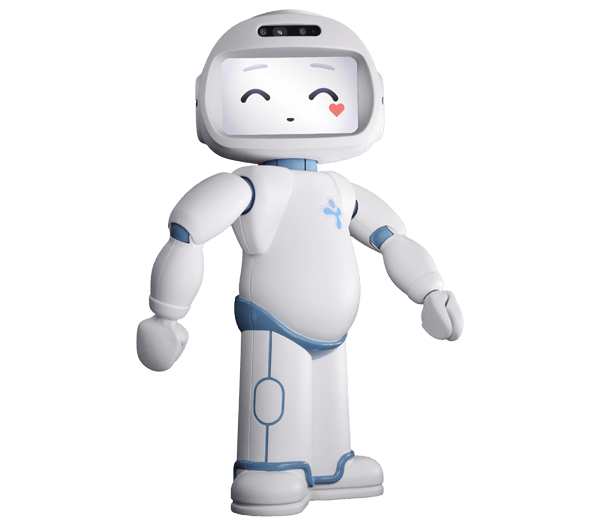
QTrobot from LuxAI
A norm-first architecture
AI4Kids investigates how to safely integrate LLMs into embodied agents.
Core idea: LLMs should not operate autonomously, but inside a constrained cognitive architecture.
The project develops a norm-first agent architecture where:
- LLMs provide flexible dialogue capabilities
- Norms constrain the reasoning cycle
- Machine-readable policies enforce safety checks
This enables behavior that is:
- Explainable
- Auditable
- Regulation-aware
- Compliant-by-design
Research challenges:
- Age-appropriate dialogue
- Safe interaction
- Controllability
- Robustness against unsafe outputs
Why embodied?
Purely digital agents, such as chatbots, have many limitations.
The knowledge at their disposal is obtained by training on huge amount of text.
Interaction is often reduced to a stochastic process of predicting the next token.
Chatbots do not directly experience the world. Their knowledge is mediated through:
- documents
- conversations
- descriptions written by humans
As a consequence:
- their internal models may contain biases
- information may be incomplete or outdated
- grounding in physical reality is limited
Digital agents vs embodied agents
Digital agents
- Mainly operate in virtual environments
- Interact through text or software APIs
- Can use software tools
- No/Limited physical awareness
- No direct interaction with the world
Embodied agents
- Perceive the physical world directly
- Interact through sensors and actuators
- Learn from situated interaction
- Affect real environments and humans
- Must reason about safety and uncertainty
This introduces new challenges
- Real-time decision-making
- Uncertainty and partial observability
- Safety-critical behavior
- Social interaction
- Accountability
Which kind of embodied agents?
Controlled environments
- Manufacturing robots
- Warehouse automation
- Cleaning robots
- Restaurant/service robotics
These systems operate in relatively predictable environments and focus on efficiency, precision, and repeatability.
Human-centered environments
- Caregiving robots
- Educational robots
- Assistive systems
- Housekeepers
- Collaborative robots
These agents must interact safely and naturally with humans in dynamic social contexts.
Why agents?
We all know the reasons why we need agents and not just passive tools.
By capability
- Mono-task agents
- Multi-task agents
- General-purpose agents
By organization
- Single-agent systems
- Multi-agent systems
- Swarm systems
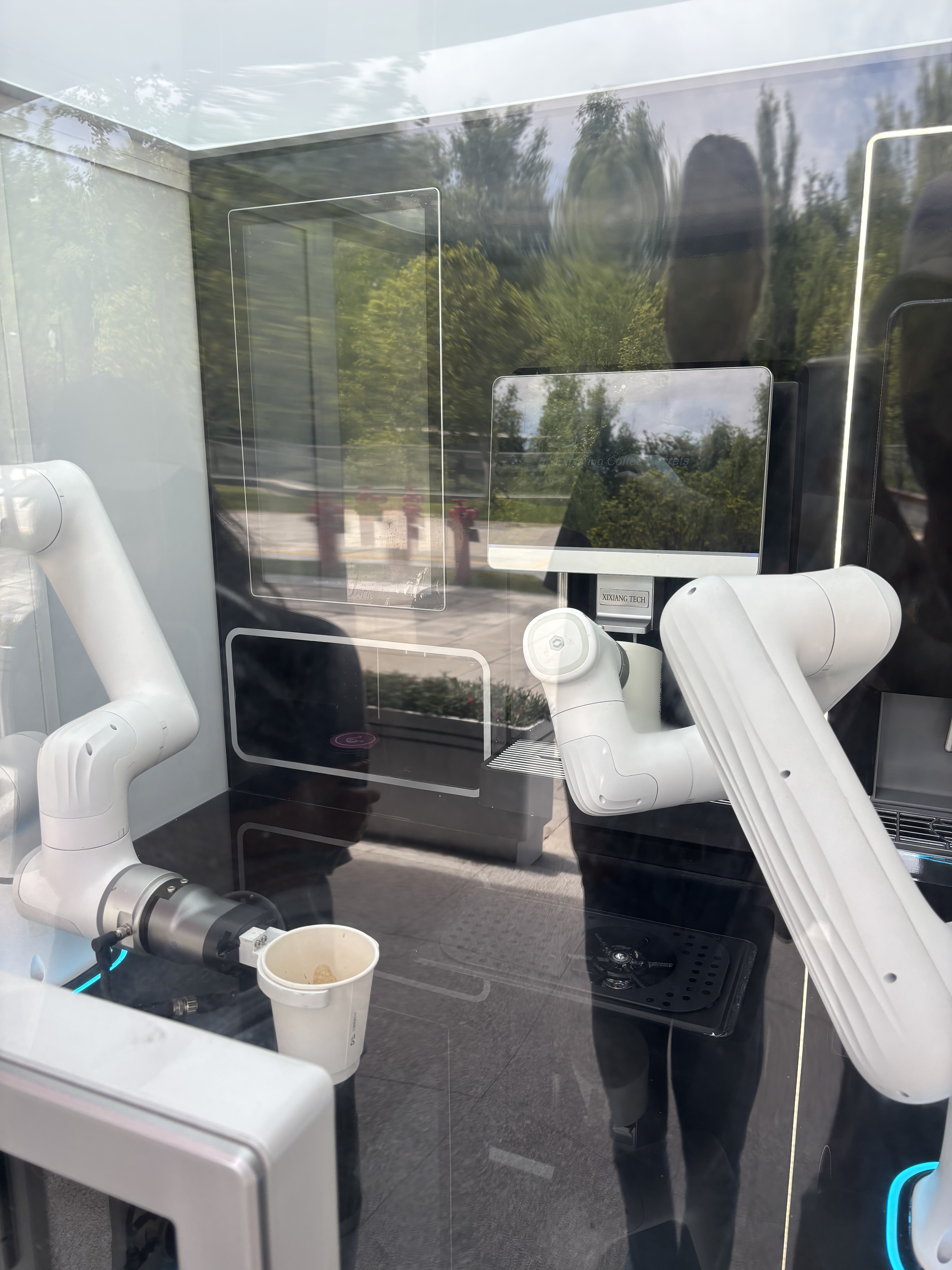
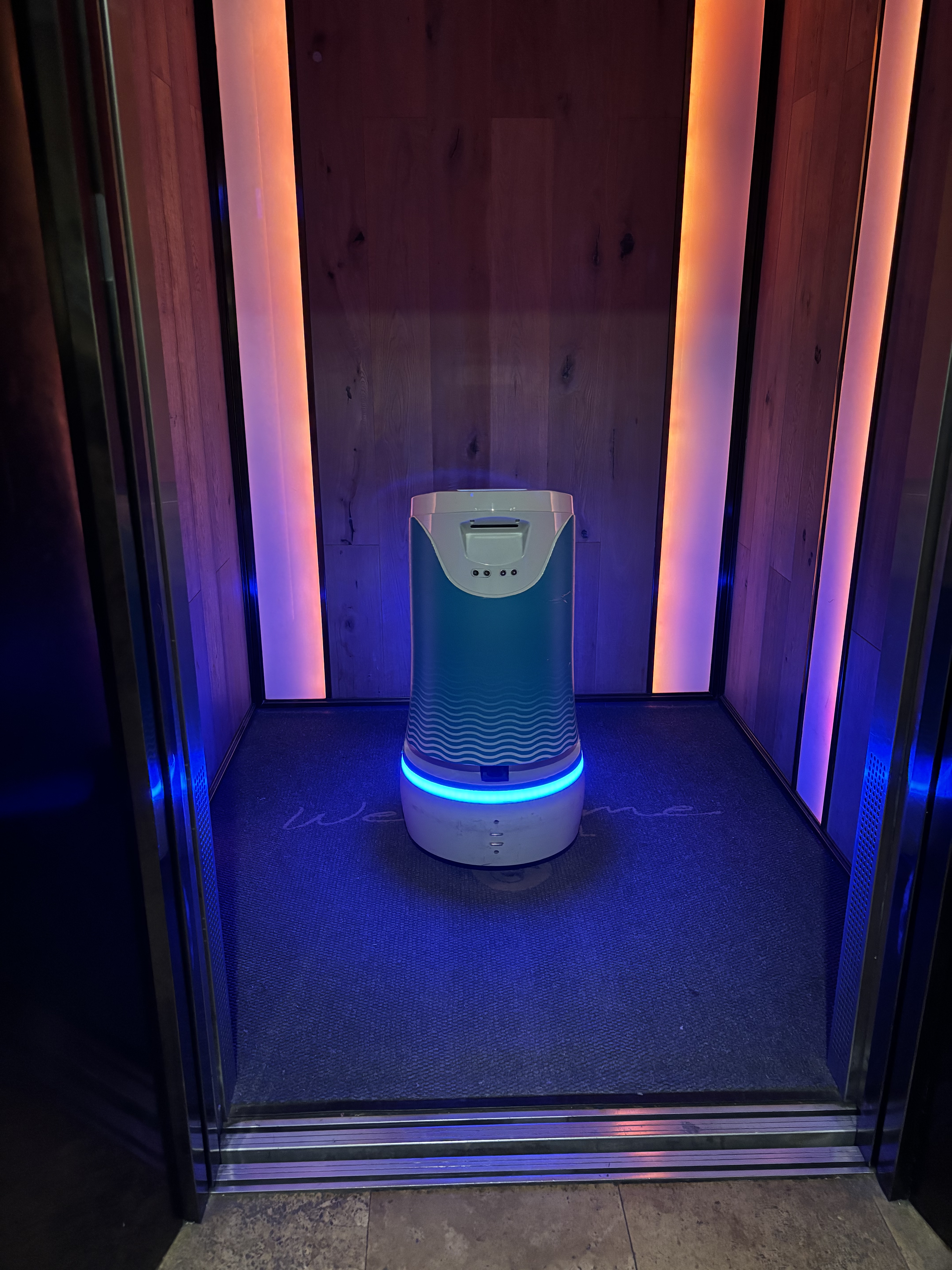
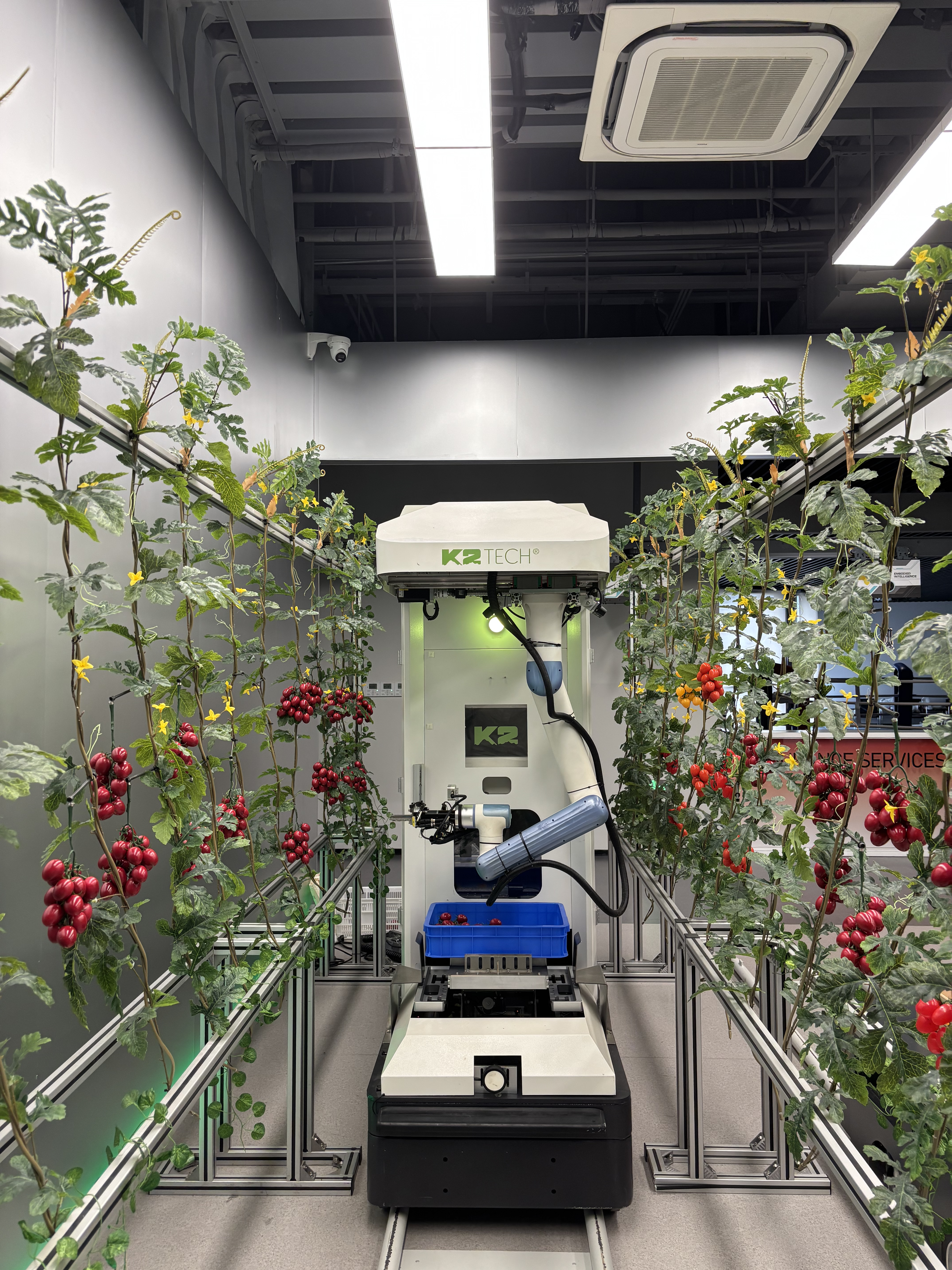
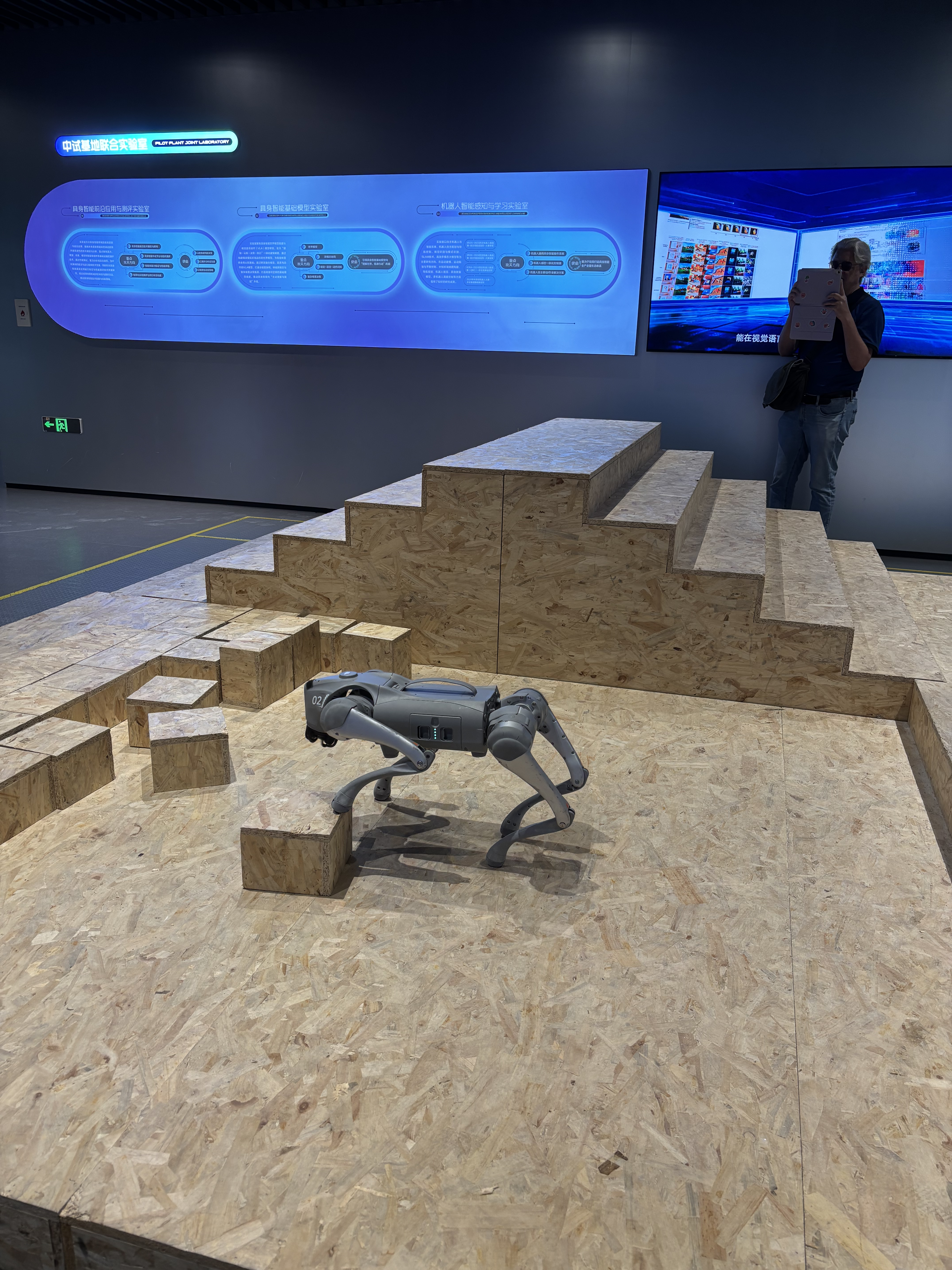
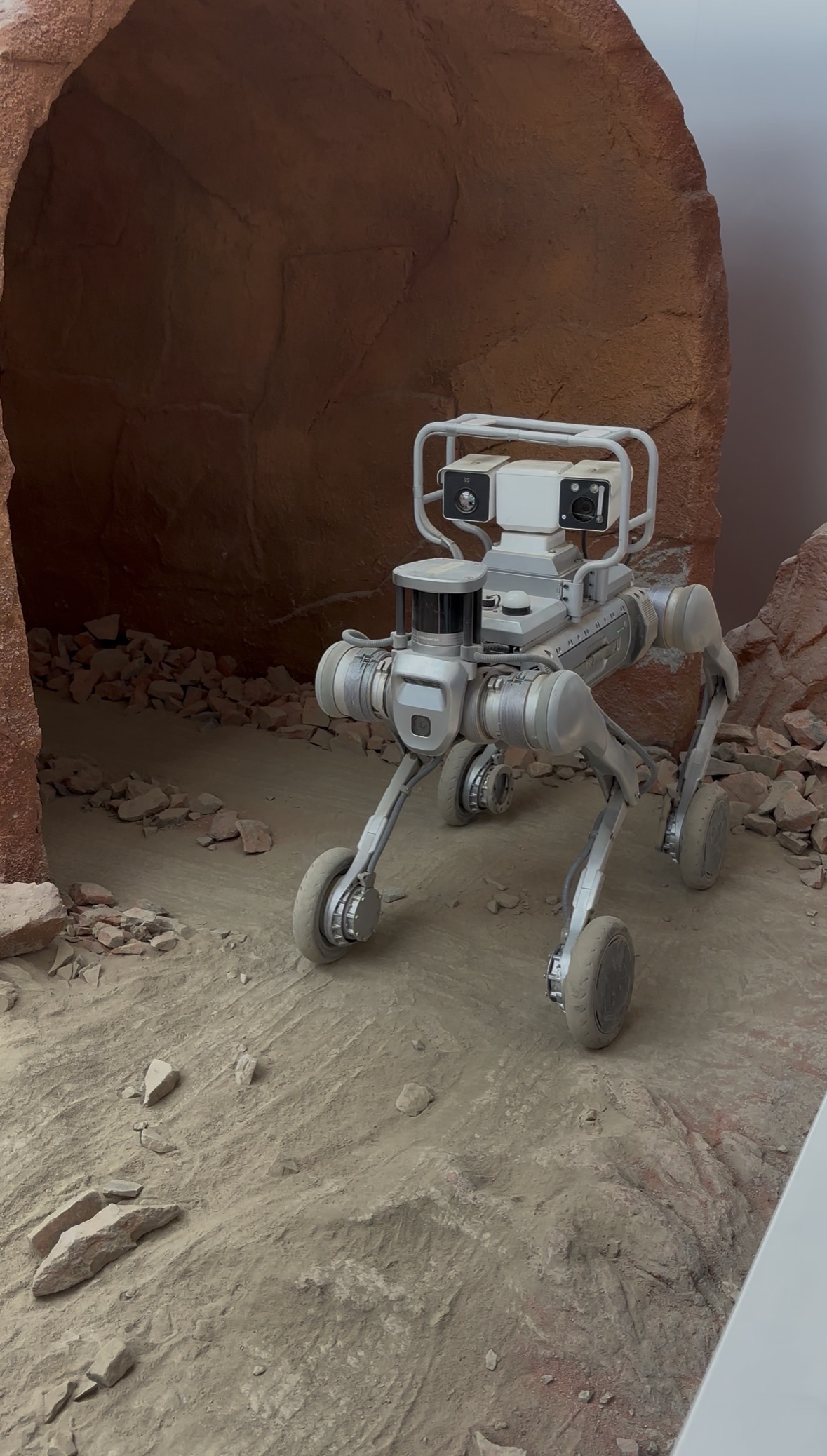
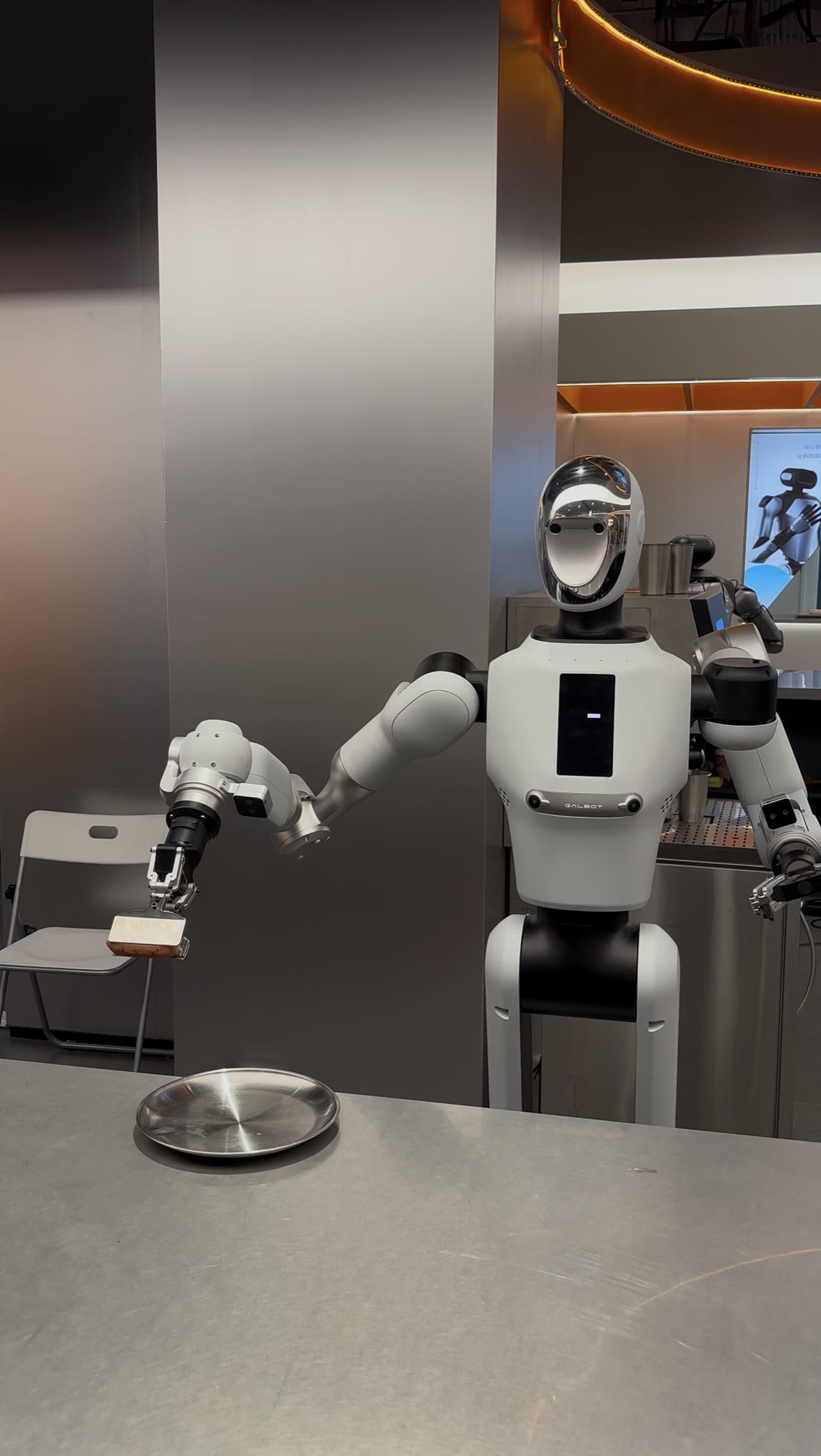
Collection of robots I saw in Hangzhou
Great, but how?
5 dimensions
Lifecycle
- offline
- online
Learning does not stop after deployment.
Embodied agents must continuously:
- adapt
- update beliefs
- refine behaviors
Tempo
- fast
- slow
Different decisions require different reasoning speeds.
Locus
- individual
- collective
Future AI will increasingly involve:
- coordination
- negotiation
- collective intelligence
Substrate
- subsymbolic
- symbolic
Neither paradigm alone appears sufficient.
Stage
- pre-action
- in-action
- post-action
Reasoning may happen:
- before acting
- while acting
- after acting
Thinking Fast and Slow
Inspired by Kahneman’s dual-process theory.
System 1
Fast, reactive, intuitive.
- neural inference
- pattern recognition
- reflexive behaviors
- low-latency decisions
System 2
Slow, deliberative, symbolic.
- planning
- ethical reasoning
- explanation
- normative reasoning
- long-term goals
Defensible embodied agents require both.
Beyond System 1 and System 2
Embodied systems introduce an additional layer: System 0.
A purely reactive safety layer operating below deliberation.
Analogy with humans:
- removing the hand from fire
- reflexive motor reactions
- automatic physiological responses
These actions happen:
- before conscious reasoning
- without explicit deliberation
System 0 in embodied AI
For embodied agents, System 0 may include:
- emergency braking
- collision avoidance
- low-level safety constraints
- hardware interrupts
- reflexive stabilization behaviors
Key property: safety must not depend on slow reasoning alone.
System 0 acts as a hard real-time protective layer.
Towards hybrid architectures
Future embodied agents will likely combine:
Subsymbolic components
- perception
- language
- sensor fusion
- motor control
- pattern recognition
Symbolic components
- planning
- norms
- argumentation
- coordination
- explainability
- governance
It will be crucial to design effective neuro-symbolic frameworks that integrate these components while ensuring safety and accountability.